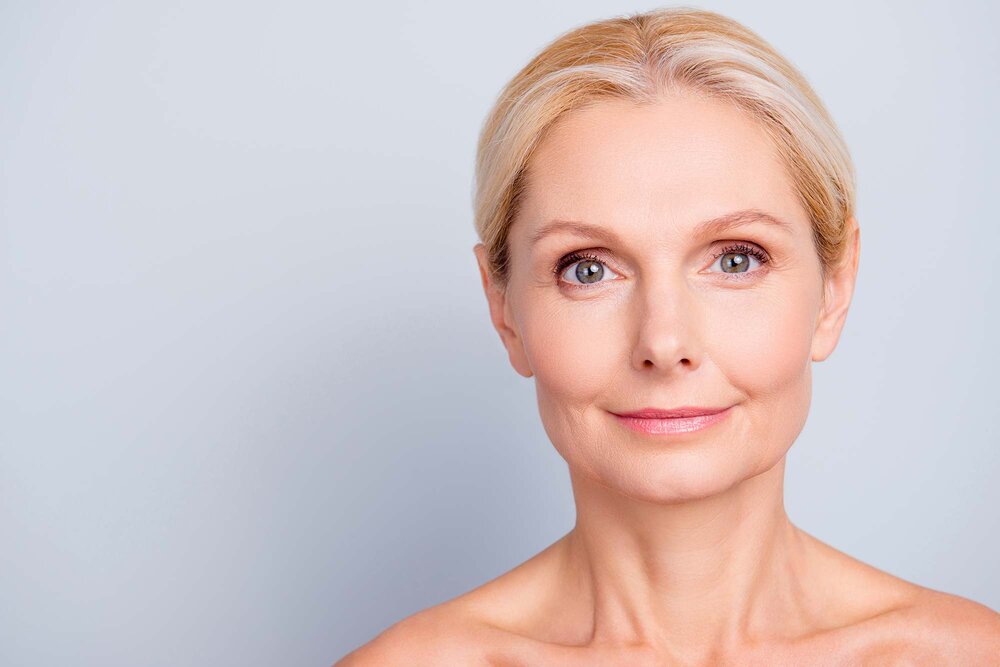
The word "facelift" carries more baggage than almost any other procedure in plastic surgery. To some it evokes tightly pulled skin and an obviously operated look. To others it's a magical reset. Both images are wrong — and understanding what a modern facelift actually does requires separating the technique from the misconception.
What a Facelift Addresses
A facelift — formally called a rhytidectomy — is a surgical procedure that addresses structural changes in the lower two-thirds of the face: jowling along the jawline, loose skin in the neck, deepened nasolabial folds, and generalized facial laxity. It operates on the underlying architecture of the face — the SMAS (superficial musculoaponeurotic system) — not merely the skin surface.
The key distinction between a modern facelift and the stretched, pulled results of decades past is this: older techniques tightened only the skin, which relaxed quickly and produced the telltale windswept appearance. Contemporary deep plane and SMAS-based techniques reposition the facial tissue where it has descended, creating a natural restoration rather than a surgical correction.
What a Facelift Cannot Do
Understanding the limitations is as important as understanding the benefits. A facelift does not address:
- Fine surface lines, skin texture, or pigmentation — these require resurfacing (laser or chemical peel)
- Upper facial aging — brow position and upper eyelid hooding require brow lift and blepharoplasty
- Volume loss — hollowing in the cheeks, temples, and around the eyes is best addressed with fat transfer or fillers
- Skin quality — sun damage, crepiness, and texture are surface concerns requiring separate treatment
This is why the most comprehensive facial rejuvenation plans combine a facelift with ancillary procedures targeting what the facelift does not reach. A surgeon who tells you a facelift will fix everything is not being honest with you.
The Recovery Reality
Most patients return to social activity within 14 days. The first 72 hours involve the most visible swelling and bruising. By day 10–12, most patients are comfortable being seen by the general public. Final results continue to refine over 3–6 months as residual swelling resolves.
The recovery is manageable — particularly when you have proper support at home and follow post-operative instructions carefully. Most patients report that the recovery was easier than they anticipated.
How to Know if You're Ready
The ideal facelift candidate is bothered by jowling, jawline loss, or neck laxity; is in good general health; has realistic expectations; and is not seeking to look like someone else. The best results come from patients who want to look like a refreshed, rested version of themselves — not a different person.
At your consultation with Dr. Fern, we'll evaluate your anatomy, discuss the precise procedures that address your concerns, and review imaging to align on expected outcomes. There is no pressure and no obligation — just an honest conversation about what's possible.
The Greenwich and Manhattan Advantage
Patients from Greenwich, Connecticut and Manhattan, New York have access to a uniquely concentrated level of surgical expertise. Dr. Fern has performed facelifts for 27 years across both markets, developing an intimate understanding of what each patient community values: natural results, minimal visible evidence of surgery, and results that hold up over time.
To schedule a consultation at our Greenwich or Manhattan office, contact us today.