Overview
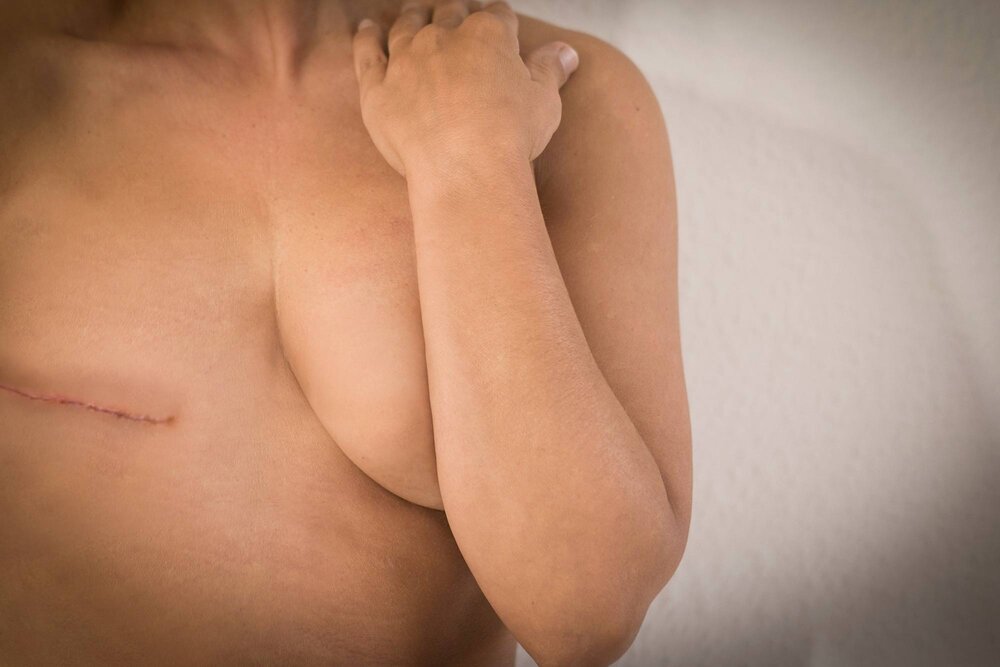
Breast reconstruction is among the most meaningful work Dr. Fern performs — helping patients reclaim their sense of self after mastectomy. Dr. Fern offers both implant-based reconstruction (tissue expander followed by permanent implant) and autologous reconstruction using the patient's own tissue (TRAM, DIEP, LD flap techniques). Both immediate and delayed reconstruction are performed, and Dr. Fern works closely with oncology teams to coordinate timing and optimize outcomes.
Are You a Good Candidate?
Ideal candidates for breast reconstruction typically present with one or more of the following:
- Women who have undergone or are planning mastectomy
- Women who have had lumpectomy with significant tissue loss
- Patients seeking to correct results from prior reconstruction
- General health sufficient for surgery
The Procedure
Dr. Fern's approach to breast reconstruction proceeds through the following steps:
- Discussion of implant-based vs. autologous options based on radiation history, body habitus, and patient preference
- Immediate reconstruction: reconstruction begins at mastectomy in coordinated procedure
- Expander placement followed by gradual fill and second-stage implant exchange
- Autologous: tissue transferred from abdomen (DIEP) or back (LD) when implants are not appropriate
- Nipple reconstruction and areola tattooing completed in final stage
Recovery
Recovery depends on the reconstruction type and number of stages. Implant-based reconstruction typically involves 2 procedures over 6–9 months. Autologous reconstruction requires longer initial hospitalization but achieves a natural-feeling result that ages with the patient.
Frequently Asked Questions
How soon after mastectomy can reconstruction begin?
Immediate reconstruction begins at the time of mastectomy. For patients requiring radiation, delayed reconstruction after treatment is often preferred to avoid radiation effects on the reconstruction.
What is the difference between TRAM and DIEP flap?
Both use tissue from the abdomen. The DIEP flap is muscle-sparing — it uses only skin and fat, leaving the abdominal muscle intact. This reduces recovery and preserves core strength, but requires microsurgical expertise. Dr. Fern performs both.
Is reconstruction covered by insurance?
Yes. Federal law (the Women's Health and Cancer Rights Act) requires insurers to cover breast reconstruction after mastectomy, including the opposite breast when needed for symmetry.