Overview
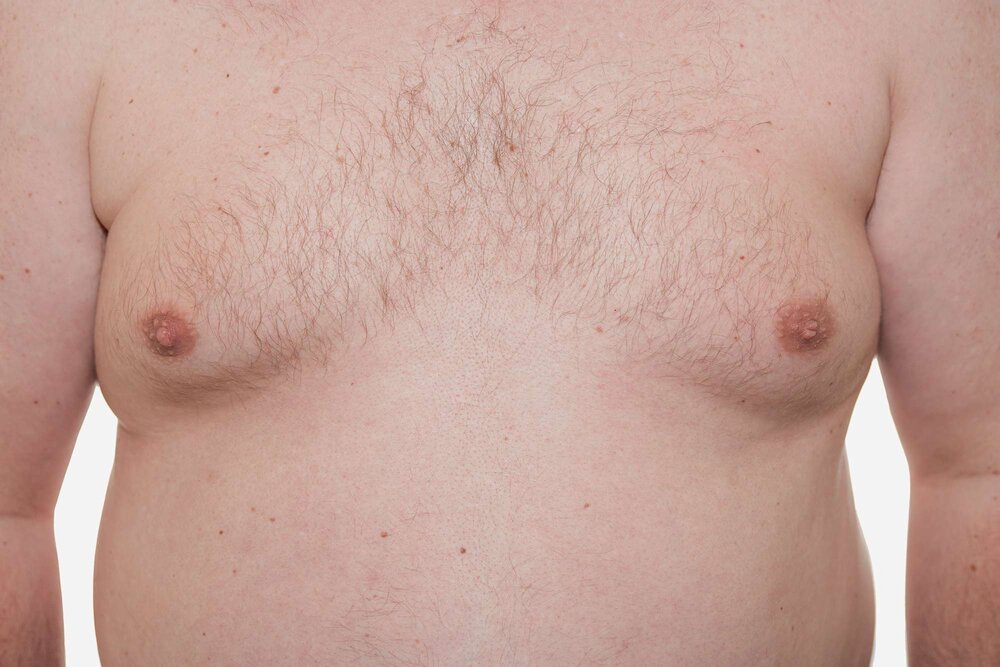
Gynecomastia — the development of glandular breast tissue in men — affects an estimated 40–60% of men to some degree, and is a source of significant self-consciousness that restricts clothing choices, exercise behavior, and intimate relationships. The condition is not caused by obesity and does not respond to diet or exercise; the glandular tissue must be surgically removed. Dr. Fern performs both liposuction alone (for pseudogynecomastia with fatty tissue) and direct glandular excision through a periareolar incision for true glandular gynecomastia.
Are You a Good Candidate?
Ideal candidates for gynecomastia typically present with one or more of the following:
- Enlarged chest tissue that does not respond to exercise
- Puffiness or protrusion around the nipple-areola complex
- Skin laxity from prior weight loss in addition to breast tissue
- Stable weight for at least 6 months
- Medications or conditions causing gynecomastia addressed or stable
The Procedure
Dr. Fern's approach to gynecomastia proceeds through the following steps:
- Hormone panel reviewed pre-operatively to rule out treatable causes
- Liposuction of chest and lateral chest wall performed first
- Periareolar incision for direct glandular excision if firm tissue is present
- Areolar skin reduced if significantly enlarged
- Compression vest worn immediately post-op
Recovery
Compression garment for 4–6 weeks. Return to desk work in 5–7 days. Exercise resumed at 4–6 weeks. Chest contour visible immediately; final result at 3–6 months.
Frequently Asked Questions
Will gynecomastia come back?
If the glandular tissue is excised, it does not regrow. Significant weight gain or use of anabolic steroids can cause recurrence of the fatty component.
Is this covered by insurance?
Occasionally, when documented medical necessity exists. Most gynecomastia surgery is considered cosmetic. Dr. Fern's team will help assess coverage at consultation.