Overview
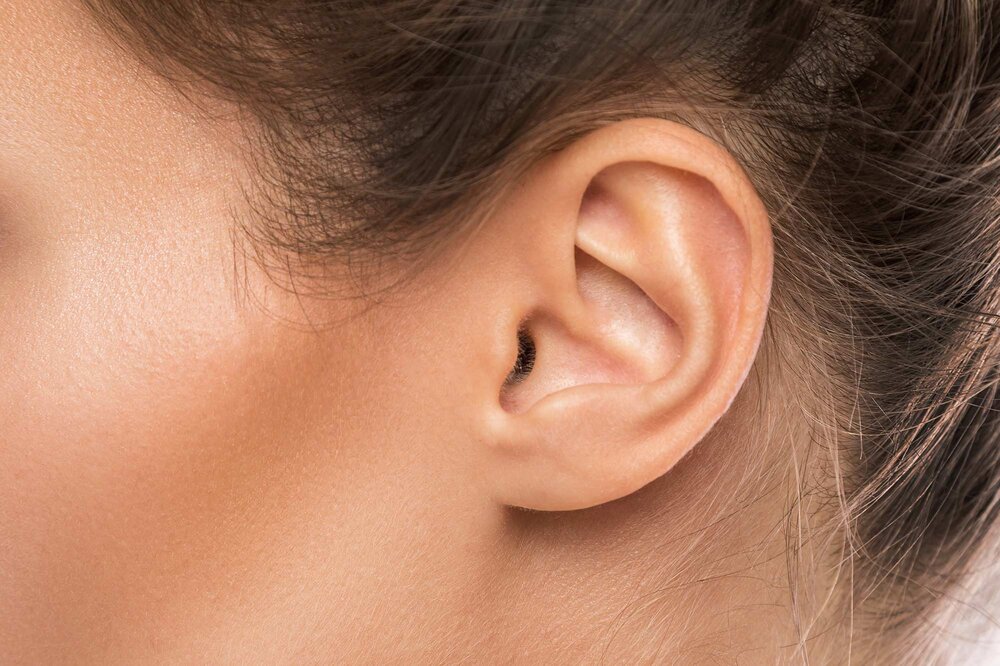
Prominent ears — those that protrude noticeably from the head — are almost entirely a structural issue: insufficient antihelical folding, excess conchal cartilage, or both. Otoplasty corrects this with incisions hidden behind the ear, reshaping the cartilage to create the natural fold and angle that allows ears to sit properly. Dr. Fern performs otoplasty for adults and children (typically 6 and older, when ear growth is largely complete).
Are You a Good Candidate?
Ideal candidates for ear reshaping typically present with one or more of the following:
- Ears that protrude significantly from the sides of the head
- Significant asymmetry between the two ears
- Prior ear surgery producing unsatisfactory results
- Child aged 6 or older with ear prominence causing self-consciousness
The Procedure
Dr. Fern's approach to ear reshaping proceeds through the following steps:
- Incision made in the natural crease behind the ear
- Cartilage scored or sutured to create the missing antihelical fold
- Conchal cartilage reduced if contributing to protrusion
- Sutures set the ear at the corrected angle; position confirmed intraoperatively
- Wound closed; headband worn for 2–3 weeks to support healing
Recovery
A headband is worn continuously for the first week, then at night for 4–6 weeks. Sutures are removed or dissolve within 10 days. Most patients return to work or school in 7–10 days.
Frequently Asked Questions
Is otoplasty permanent?
Yes. Once the cartilage heals in its new position, the result is permanent. Suture techniques rarely result in recurrence when properly executed.
What age is appropriate for otoplasty?
The ears are approximately 90% of adult size by age 6, making this the earliest appropriate age for surgery. There is no upper age limit — adults frequently seek otoplasty.